

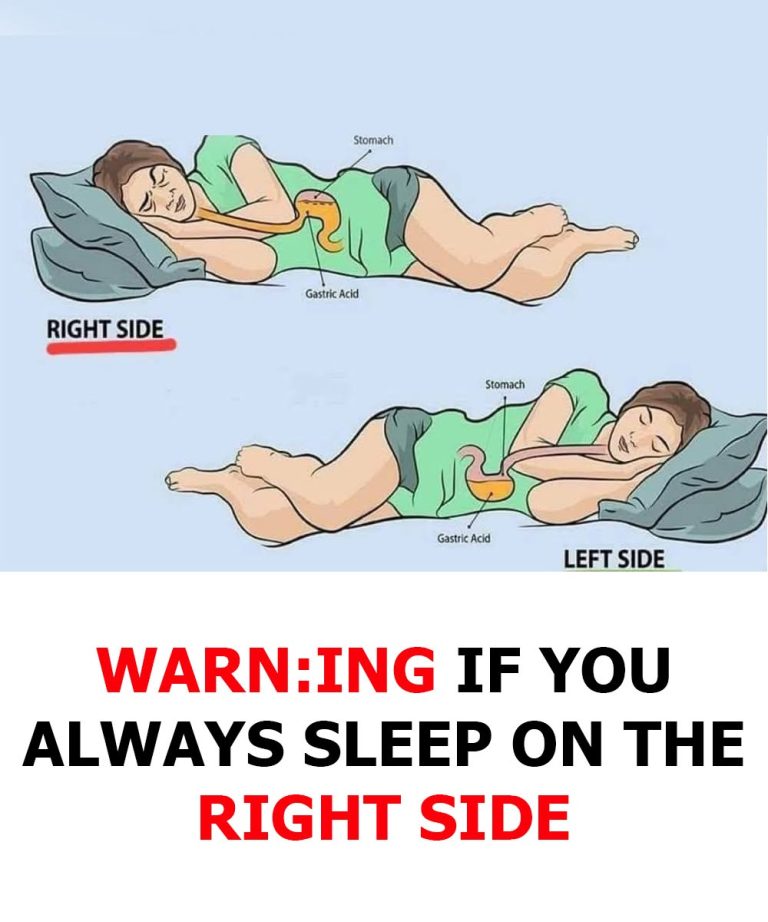
One of the most common health problems associated with back sleeping is sleep apnea, a condition whereby the soft tissue at the back of the throat relaxes and collapses the airway causing snoring and interrupted breathing. “This has implications for wider health and often goes hand in hand with obesity. It disrupts the continuity and quality of sleep. It can lead to tiredness, which can be a problem for people driving. There are also physical health implications. We know that poor quality sleep raises the risk of diabetes, heart disease and other comorbidities. Sleep apnea opens the door to all these other conditions,” Lederle explains.
Still, back sleeping can be beneficial for those who suffer from back and neck pain. “The optimal position for spine alignment is lying on your back with a pillow under the knees to soften the back. This position preserves the natural contours of your spine. It can also minimize wrinkles,” says Margo.
The Hazards of Stomach Sleeping
Though stomach sleeping may reduce snoring by keeping the airways more open than back sleeping, it is the position most likely to lead to increased neck and back pain. “Twisting your neck to the side puts strain on your neck, and stomach sleeping can also arch your spine,” explains Margo.
Direct pressure on the face can contribute to wrinkles over time. In order to help alleviate postural pain, front sleepers are advised to use a thin pillow or no pillow at all to keep the neck in a more neutral position and to place a pillow under the pelvis to help keep the lower back supported.
How to Change Your Sleep Position

CONTINUE READING…>>
To see the full cooking instructions, go to the next page or click the Open button (>) and don't forget to SHARE it with your friends on Facebook.