

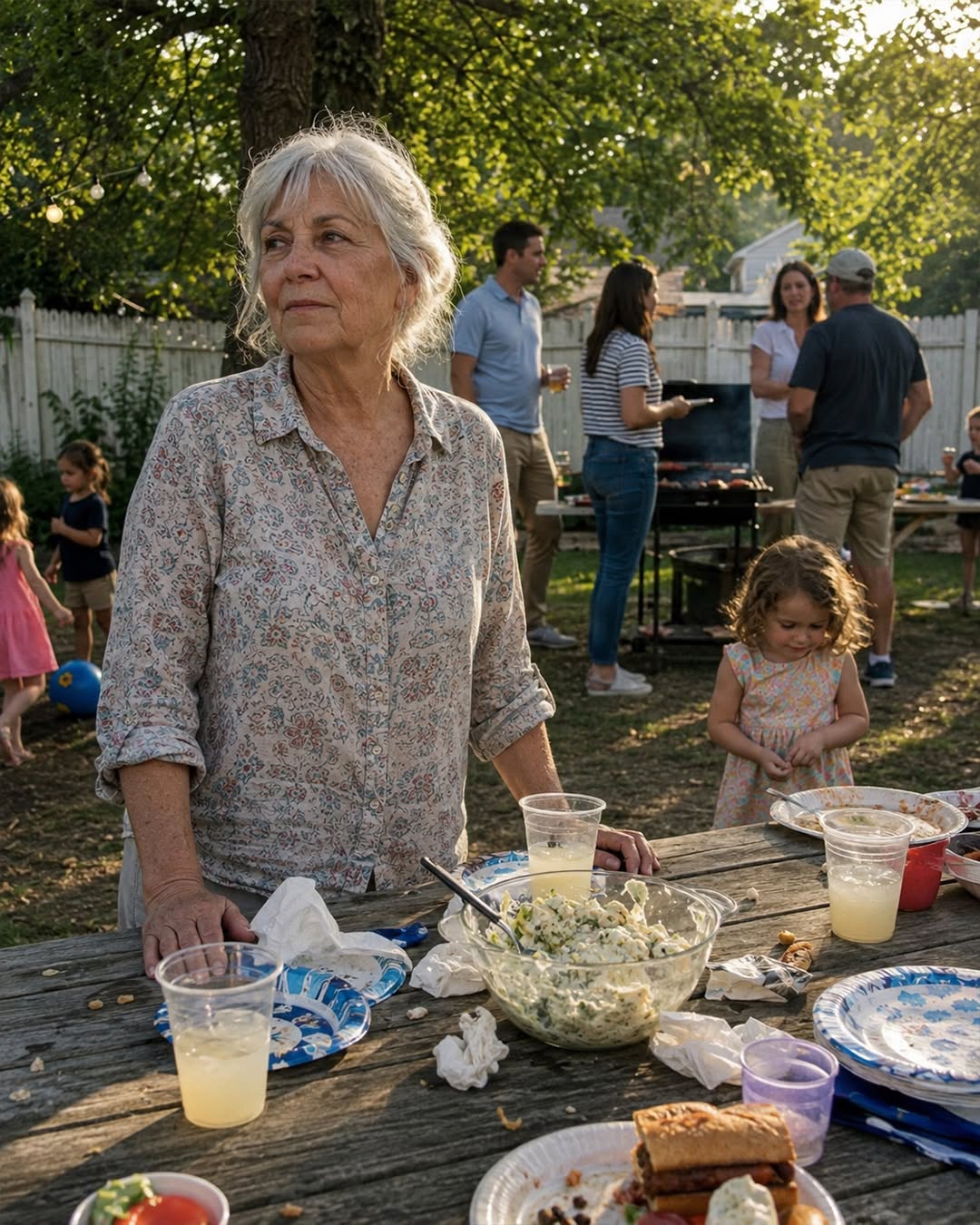
A transportation plan built around my automatic compliance.
“I’m not driving forty miles twice in freezing rain.”
“Mom—”
“I will arrange roadside service.”
“That could take hours.”
“You’re inside a warm diner.”
“The kids have school tomorrow.”
“Then you may need to call them in late.”
He exhaled sharply.
“This is exactly what I was talking about. You care more about making a point than helping your family.”
“I am helping.”
“Not the way we need.”
“The way you need is always the way that costs me the most.”
I opened my laptop and found a local towing company with a seven-passenger shuttle service connected to a nearby repair shop. The dispatcher confirmed they could tow the SUV and bring the family to a rental office that stayed open until midnight.
I paid the dispatch fee.
Jason would be responsible for the rental.
“The tow and shuttle are on the way,” I told him. “You’ll need to handle the rental vehicle.”
“With what money?”
“Your emergency fund.”
“We don’t have one.”
“Then use a credit card and begin one next month.”
He was silent.
“I helped solve the immediate problem,” I said. “I did not take ownership of it.”
“Fine.”
He hung up.
My heart pounded for several minutes afterward.
I waited for guilt.
It did not come.
I had helped them.
I had not abandoned children beside a highway.
I had also not transformed myself into the entire solution.
That night became the first crack in Jason’s certainty.
He called three days later.
“Everyone got home safely,” he said.
“I’m glad.”
“The repair cost more than we expected.”
“I’m sorry.”
There was a pause.
“Thank you for arranging the tow.”
It was the first thank-you I had heard from him in months.
“You’re welcome.”
He did not ask for money.
That mattered more than the words.
Spring returned slowly.
In March, Jason asked if I would meet him for coffee at a diner halfway between our houses.
I agreed.
He arrived before me and was already seated in a booth near the window. A paper cup stood untouched beside his hand.
For the first time since the barbecue, he looked nervous rather than angry.
“I owe you an apology,” he said after I sat down.
I waited.
He glanced toward the counter.
“I treated everything you did as if it were automatically ours. The childcare. The van. The groceries. Your time.”
“Yes.”
“I kept thinking you were taking things away from us.”
“I stopped providing them.”
“I understand that now.”
“Do you?”
He nodded slowly.
“When the SUV broke down, I was furious that you wouldn’t come. Then the tow truck arrived, and I realized you had still helped. You just didn’t let the whole problem become yours.”
“That is the difference I have been trying to explain.”
He rubbed his thumb along the edge of the paper cup.
“Dad died when I was young. You always handled everything. I think I got used to believing that if something went wrong, you would fix it.”
“I wanted you to feel safe.”
“You did.”
“That does not mean you never had to become responsible for yourself.”
“I know.”
We sat quietly while a waitress refilled cups at the next table.
“Chloe wants to apologize too,” he said.
“Is she ready to apologize, or does she want the old arrangement back?”
“She knows the old arrangement is over.”
“That wasn’t my question.”
Jason looked down.
“She’s embarrassed.”
“So was I.”
“I know.”
A week later, Chloe came to my house alone.
She called first.
She knocked instead of trying a key.
I noticed both things.
We sat at the kitchen table. Her hair was pulled into a loose ponytail, and without the polished smile she wore at social gatherings, she looked tired.
“I’m sorry for what I said at the barbecue,” she began. “I was overwhelmed, and I wanted help.”
“You announced ownership of my weekends.”
“Yes.”
“You said I had no life.”
“I know.”
“And you believed putting me in front of a crowd would make me agree.”
She hesitated.
“Yes.”
It was not a beautiful apology.
It was not eloquent.
It was honest.
SEE NEXT PAGE >>>
To see the full cooking instructions, go to the next page or click the Open button (>) and don't forget to SHARE it with your friends on Facebook.